
Description:
Titanium oxide is the main product of the titanium industry, used in the manufacturing of a wide range of products for various purposes. Because of its excellent coloring properties and non-toxicity, titanium oxide is produced for paints, food and cosmetic industry. Also, titanium oxide is well known filler in plastics, and products based on the high thermal properties (furniture, household items, window plastic, machinery and car parts), as well as linoleum and rubber. It acts as a filler, providing surfaces resistant to UV radiation and with protection from aggressive environmental factors. TiO2 is important for printing industry as it provides a smooth surface and pure white color of paper.
Titanium Oxide Nanopowder (TiO2, anatase):
TiO2 Nanoparticles Purity: >99%
TiO2 Nanoparticles APS: 10-25 nm
TiO2 Nanoparticles SSA: 50-150 m2/g
TiO2 Nanoparticles Color: white
TiO2 Nanoparticles Bulk Density: 0.24 g/cm3
TiO2 Nanoparticles True Density: 3.9 g/cm3
TiO2 Nanoparticles Loss of weight in drying:5.66%
TiO2 Nanoparticles Loss of weight on ignition: -%
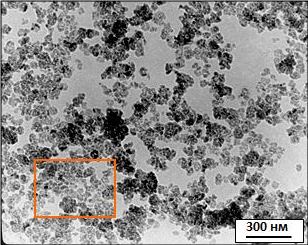
Titanium Oxide Nanoparticles (TiO2) Certificate of Analysis—ppm
TiO2 Al Mg Si Ca S Fe
>99% <=30 <=65 <=120 <=100 <=100 <=100
Application:
- UV-resistant material, chemical fiber, plastics, printing ink, coating;
- Photocatalyst, self-cleaning glass, self-cleaning ceramics, antibacterial material, air purification, sewage treatment, chemical industry;
- Cosmetics, sunscreen cream, natural white moisture protection cream, beauty and whitening cream, morning and night cream, moistening refresher, vanishing cream, skin protecting cream, face washing milk, skin milk, powder make-up;
- Coating, printing ink, plastics, foods packing material;
- Coating for paper-making industry: used for improving the impressionability and opacity of the paper and used for producing titanium, ferrotitanium alloy, carbide alloy etc. in the metallurgical industry;
- Astronautics industry.
Recommended Dosage:
There is a wide range of product application in different fields with a large different amount of dosage, from 0.5 to 8%.
In general, the quantity to be added is about 1-3% for sunscreen agent,
3-5% for whitening and moisture preservation,
3-8% for ultraviolet ray resistance and
2.5% for printing ink and coating.
The end user shall determine the quantity to be added through testing and make the best dosage choice for the best use.

